Genre:
Nature
• Infotainment
• Environment
• Information
| 164 Episodes
Age Description: U/A 7+ PG
Director: Sannuta Raghu
We all read about Climate Change and applaud when environmental activists make speeches. But how is this situation affecting India? Eco India brings the ground reality of Climate Changes impact in our country - from drought-stricken villages in Maharashtras Beed to the pollution of Yamuna. Watch people affected in these regions as well as leading environmental scientists, engineers entrepreneurs who are working towards environment and conservation in this series.
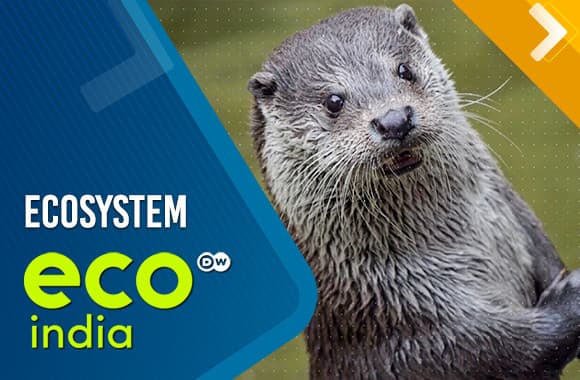
Exploring the extraordinary impact otters have on their ecosystem. Also on the show: a Spanish response to climate change and an artist who transforms old jeans into high-end pieces of art.
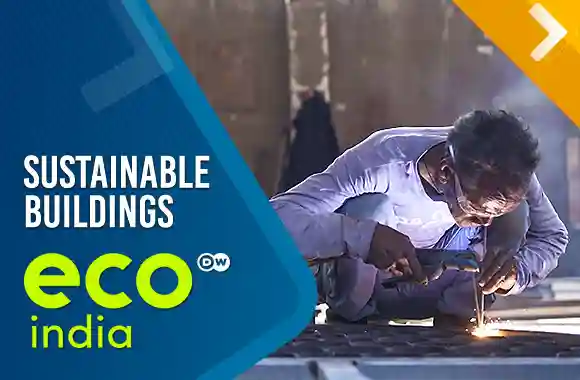
How can we make buildings more sustainable? An Indian organization shows how to use regional building materials and, in Germany, a team of researchers studies how concrete house facades can generate energy.

Reforestation efforts in Tamil Nadus Arunachala Hills are paying off. Fire teams in Spain clear brush to prevent wildfires. Can Indias Great Green Wall halt desertification? And how farmers are protecting biodiversity by going back to traditional cultivation practices.


From abandoned solar panels in Tamil Nadu to Germany’s solar recycling breakthroughs, green architecture in Chennai, and the limits of electric planes, this show uncovers the promises and pitfalls of sustainability. Can bold ideas deliver a truly green future?
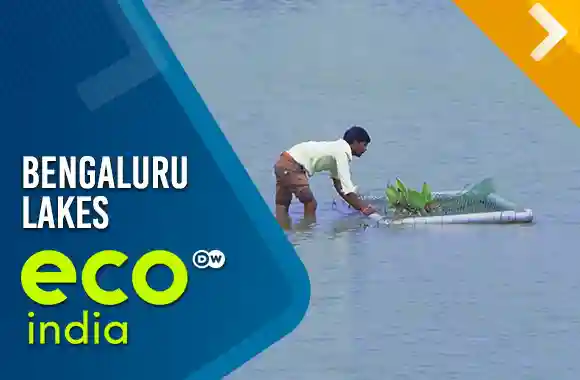
Loating islands on Bengaluru’s lakes, a cotton-like substance that can absorb oil, fighting violence against women, an 11-year-old climate activist from Germany and wild leopards in Mumbai.
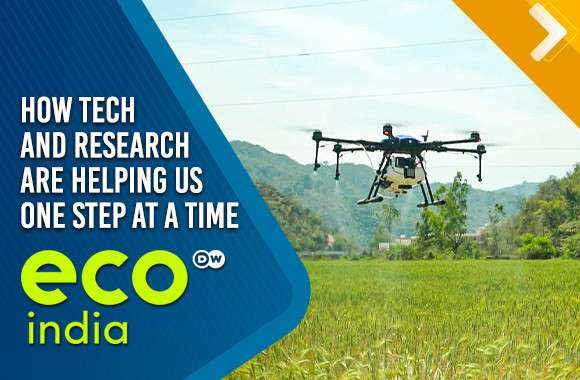
Technology and innovation can help protect our planet. AI tracks elephants, drones help farmers, new tech boosts wind power and e-waste recycling recovers critical minerals.
From environmentally friendly politics, to producing clean energy, to building a cleaner future: going green is essential for our future and the health of our planet. And it creates job opportunitites, too.

To mark International Women’s Day, Eco India meets an NGO founder breaking period taboos and visits women-only farm collectives that are benefitting members and the environment. Plus: How solar power has improved womens health in rural Meghalaya.

Growing crops in greenhouses, indoor vertical farming in Germany and saving baby elephants in Assam. All this and more in the latest episode.

Billions of people across Asia are grappling with extreme heat in a trend worsened by climate change. Indias heat wave has been one of the longest ever recorded. This week, Eco India looks at what can be done to address the root of the problem.
Reforming the egg, meat and dairy industry with benefits for all, rescuing animals in distress, conserving bees, and how beavers helped humans build a dam

From electric buses and e-rickshaws in India to green hydrogen trains in Germany: Why clean transport is better for us and our world.

Hybrid wind and solar power systems present new options and hurdles in Gujarat. Plus: Why grids need to be revamped for green energy how solar-powered cold storage is a win-win for Indias farmers and the small-scale solar power system for all.

We meet the changemakers transforming their communities: a young radio DJ in India who airs stories from struggling farmers, rescuers in Rajasthan who save injured birds from urban threats, and a Tamil Nadu policeman who protects trees from ads.
Zero waste management in Mysuru, a recycled plastic floating park in the Netherlands, innovative wooden stove technology, a matriarchal society in India and protecting coastlines with artificial seagrass.

Climate change is making summers hotter, winters colder and leading to flooding. How can cities, farmers, and ordinary people adapt to these new conditions. Eco India takes a look.

Tanneries seek to reduce their environmental footprint switching to solar power in the Himalayas, what could happen if crude oil one day runs out, and why millet is making a comeback.

Can breathing toxic air increase our risk of diabetes? Plus: The food forest in Tamil Nadu growing planet-friendly, healthy food, and the move to empower women working as waste pickers and in the construction industry.

Extreme weather favors the spread of invasive species, increases the risk of disease and contributes to the housing crisis. How can we stop this happening?
How our morning coffee could preserve rather than destroy biodiversity, why green farming is profitable, and how mass tourism could be made more sustainable.

An organic farm on the edge of Mumbai that’s teaching locals to grow high-quality food by working with nature. Plus: The waste pickers in Delhi growing fresh vegetables to improve their diet, and a storage sachet designed to cut food waste.

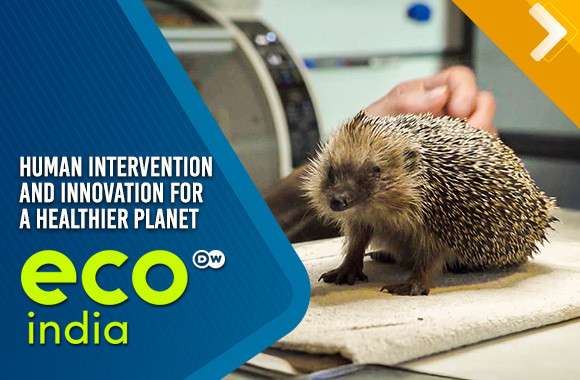
The two sides of booming harvests in the Thar Desert, how plants are used to extract nickel from soil, and Italy’s first hedgehog clinic.
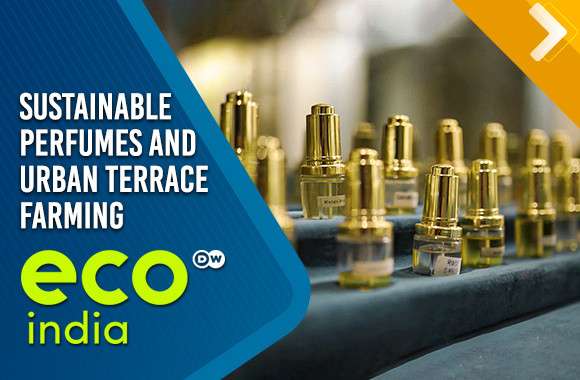
The secrets to growing food on a terrace. Also: will climate change reshape Kannauj’s perfume legacy? And Nagaland tribes rethink tradition to protect forests.

Mumbais street dogs, the wild boars of Berlin, paying the price for Indias appetite for coal, Malaysias campaign to save energy, and raising awareness of air pollution and climate change with masks.

From high-tech tools such as precision farming and autonomous tractors to zero-budget approaches and sustainable meat alternatives, farming is embracing innovation.

Billions of tons of waste are produced worldwide each year - with no end in sight. How can we deal with it? This week, Eco India looks at the fashion industry, a trash center that helps flowers bloom, and a big, new EV battery recycling plant.

Can we use industrial waste to build houses? And: Shrines in the Western Ghats use traditional wisdom to help protect wetlands while natural dyes make a comeback in the textile sector.

From farmers in the Himalayan region of Ladakh managing a water crisis to the commercial forests around the world that are dying - how can we adapt to climate change and thrive? Plus: The rise of the electric rickshaw across India.

Can electric three-wheelers improve air quality and empower women in the jewel of Punjab? Plus: Fish acid for plants, lab-grown meat, gravity batteries – and how Serbia is purifying its air with liquid trees

From used car tires and old plastic products to electronic waste: finding ways to repurpose things has benefits for the environment and the economy.

Improving our lives while saving money – and the planet From homes built using upcycled waste to clean energy solutions for our cities and rural communities.
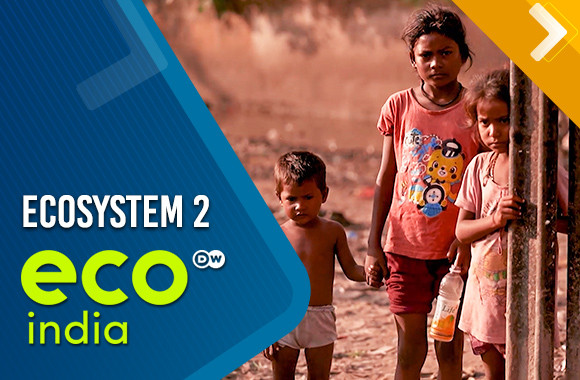
The woman building toilets for slums, Mumbai’s tree man, curbing bear bile farming in Laos, using big data to predict changes in ecosystems, and innovative water wheels with handles.

From making Delhi more walkable and Germany’s north coast more robust to mangrove restoration and integrated farming: Eco India looks at protecting ourselves and the planet.
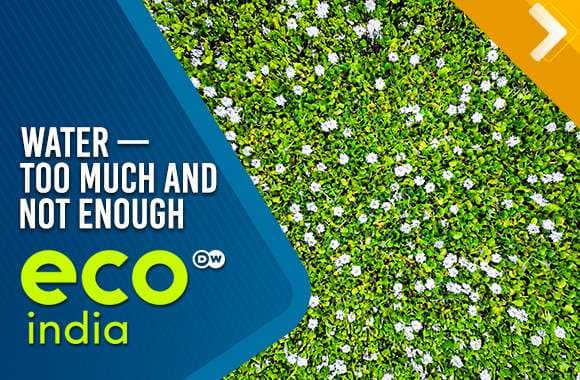
Climate change is bringing both floods and droughts. How do we adapt? From snakes in Kerala to flood-resilient homes in Assam and water shortages in Germany.

A man on a mission to fill potholes in Mumbai, how to recycle old wind turbines and vegan leather made from pineapples.
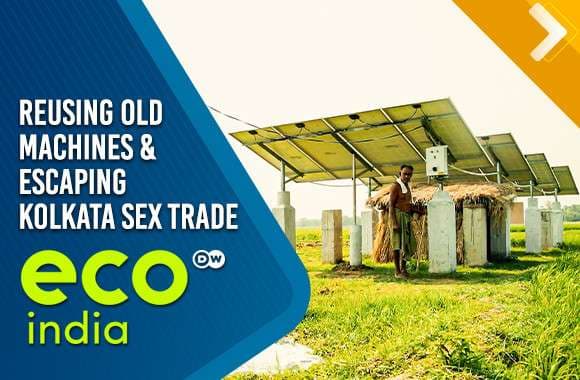
Leaving sex work for textile recycling, revamping old industrial machinery instead of building new, and products from banana waste in Tamil Nadu.
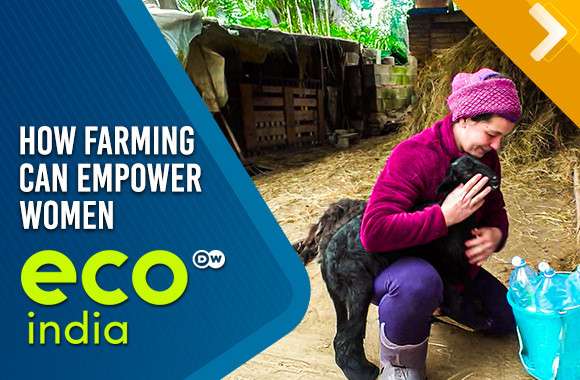
How teaching girls sustainable agriculture at school will drive equality, and Dalit women fight caste discrimination, plus female shepherd training in Italy.

An ancient method for collecting rainwater, why freak storms are becoming common in Europe, the local weather enthusiasts turned influencers in India, and an historic weather station in Poland that’s been charting climate change for over a century.

From technology to stop onions from spoiling in Indias warehouses to agri-tech that connects farmers with customers - we look at ways technology is helping to revolutionize food production.

From coastal erosion and drought-resistant smart farms in India to Barcelona’s battle with overtourism, communities are tackling environmental and social challenges head-on with innovation and resilience.

India is drowning in plastic. Can informal waste pickers be better integrated into the trash management system? Plus: how waste water could solve Delhis water crisis rangers protecting nature in Tamil Nadu, and avoiding flooding with forests.

From tree huggers and tree doctors to wildlife conservationists – we meet dedicated individuals raising awareness about the importance of preserving the natural environment, and look at ways we can all help save it.
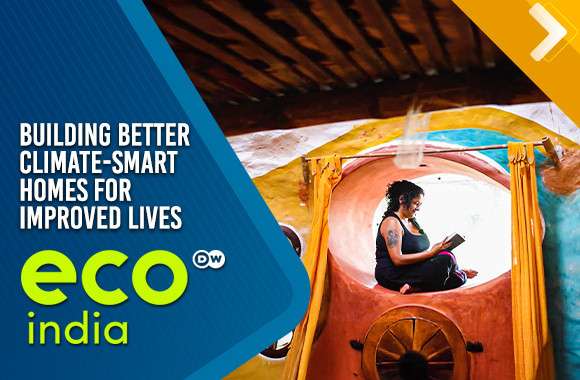
The construction sector is a huge CO2 emitter. Buildings also shape our lives. They heat up our cities. Rethinking the industry holds the key to many solutions…

Insects give shrimps a boost in Tamil Nadu - and add bite to pizza toppings. Can local conservation efforts reverse damage at Srinagar’s Dal Lake? Plus hotel owners in Catalonia find creative solutions to water shortages.

From citizens monitoring waste management in Gurugram to tackling sulfur pollution, and conserving Dal Lake - great change doesn’t always require power, but determination and action.

How is Kashmir trying to protect its iconic Chinar trees? And whats gone wrong with Noidas smart villages? Problems include outbreaks of waterborne diseases. Plus: what are the benefits of integrated farming in Tamil Nadu, and a clinic for injured wildlife in Spain.

Recycling flowers offered in Indian temples, restoring moorlands and reviving a traditional handicraft.
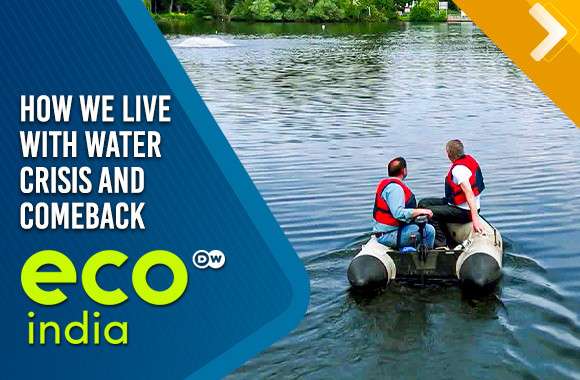
Coastal erosion in Tamil Nadu, climate-hit floating schools in Cambodia, and urban water fixes in Berlin and Maharashtra.

Can community boilers cut costs and boost efficiency? Redesigning Delhi to make walking fun free public transport can lead to fewer cars. And Pollachi nutmeg farmers team up for fairer prices.

How to get edible fish from dirty water, underwater gardening in the Mediterranean, a new air pollution forecasting tool, e-bike taxis and a female Indian comedian.

From wastewater to plant residue, plastics and textiles, waste can be transformed into a valuable resource in all sorts of ways. It just takes creative ideas, efficient recycling systems and the right kind of infrastructure.

The rise of AI has sparked a boom in water-guzzling data centers. Can Indias cities cope? Also: How AI is affecting other countries — and saving elephants.

Photographers empower marginalized communities in North Chennai. Will India tighten its climate targets? Getting in on the green job market - and an invasive weed helps spread awareness about the coexistence of humans and wildlife.
Fishers and experts protecting India’s coastline, a Bangladesh women’s group helping with extreme heat, a Tamil Nadu man saving trees — and Antarctica at risk.

Curbing air pollution in Kolkata, saving water in Singapore, and using coco peat from Tamil Nadu to help improve global agriculture. Whats good for the environment is good for us.

As the ultra-rich fuel climate damage with their lifestyles, others feel the full force of the catastophe despite playing little part in it. Like India’s fishers and farmers. Will the new Indian ruling on climate justice help them?

From oil leaks from shipwrecks to coastal erosion in Chennai – our planet is under pressure. But hope comes from unexpected places, like cow dung-powered energy and sustainable fish subscriptions, proving that innovation can turn crisis into opportunity.
The risks of soaring pigeon populations in cities, protecting against flooding in Jakartas coastal communities, and urban farming with hydroponics.

Living space for lions in Gujarat, treating retired circus elephants in Mathura, and leopards versus villagers in Kashmir. How to meet the challenges of changing human-animal habitats.

The snake rescuer tackling the human-wildlife conflict, environment lessons in schools and sharing solar power in Bangladesh

Farmers feed the world. But from Europe to India, farmers are burdened by high costs, low prices, and climate change. Technologies like an AI crop-doctor app and drones can help. But there’s a wellspring of anger among farmers worldwide. Why is that?
Delhis stray dog crisis - can the city find a better balance? Plus: urban farming, a community-tended forest and a salad revolution.

How can we boost nutrition levels and benefit our environment too? A waste product that enriches farmland could help, as could seaweed. Children in Assam are learning to grow veggies, and an age-old fish dish has made a comeback in Tamil Nadu.

With more and more people living in cities, how can we improve life in urban areas, ensure food security and ease the burden on the environment? From community and rooftop farms, to cave dwellings and clean air projects in India, Bangladesh and Spain.

Trees can help to make cities like Berlin more climate-proof. Mushrooms play key role in the environment in parts of Kashmir, as do palmyra trees in Tamil Nadu. Clean air and clean water – as desired by Mumbaikars – are universal requirements.
Ancient sand dunes protect Tamil Nadu, urban planners design cities to be a shield against extreme weather. Plus: Building cyclone-resilient, sustainable homes.
Turning crop stubble into plates, luxury sustainable tourism and adding environmental matters to school curricula.

As the climate changes and architecture is having to rethink form and function, eco-friendly building practices that have been used for centuries in India are proving inspirational.
Traditional solutions to groundwater scarcity and deforestation reviving customary but neglected crops and a rebirth for canoes.
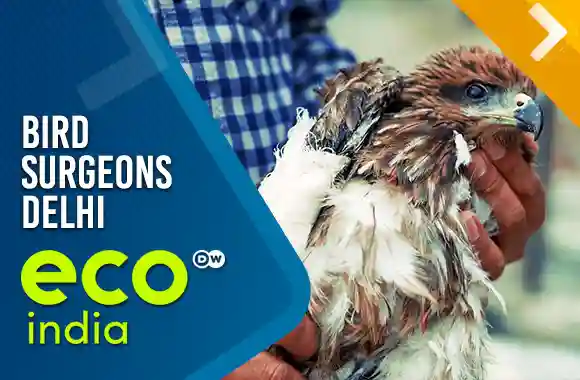
The self-taught bird surgeons of Delhi, plants from paper and pencils and Rajasthans sheep herders.

A community in Kerala collects and shares weather data to protect its members, after repeat devastation by floods. Ditching the city for rural self-reliance. Sweden proves you can slash emissions AND grow the economy How have they done it? And: the many uses of sustainable cork in Portugal.

A show brim-full of water Can water ATMs improve Delhis water supply? Tackling rising sea levels. A gel removes microplastics in water. And paper from invasive plants.
Battling climate change and patriarchy in Maharashtra, resourceful waste recycling in Dharavi and Gurugram’s citizen-led cleanup and a wise approach to owls.

Organic produce grown locally and sustainably is good for public health and the climate - and it can boost the local economy too: The multiple benefits of letting nature do its work.

Could Chennai become a green city by 2050? We look at efforts underway in the city. Plus: The Tamil Nadu farmer driving an initiative to reclaim traditional crop varieties, and how officials in Kerala are working with locals to protect biodiversity.
Healthy soil provides food, it helps secure homes, livelihoods and the climate. From soil testing to organic produce for the city – how to reverse degraded land?
Trying to revive the dirtiest river in India, traditional wells may save Bengaluru and flamingos campaign for the environment in Ibiza, Spain.

Fighting floods in Delhi, using regenerative farming to avert fungal infestation in the apple belt, the benefits of growing mushrooms in cities, how vermicompost can boost organic fruit and veg production and why Norway is giving up coal mining.

Changing mindsets with art and transforming the construction industry with innovative building materials.
As climate change advances, how do we adapt? From protecting informal workers in the heat to revamping the economy: How do we save lives and livelihoods?

Citizen initiatives in Chennai have increased recycling, revived a lake and transformed a town – what working together can achieve Plus, could a supposedly green waste solution in Delhi be harming public health? And building homes without concrete.
One woman is rescuing Tamil Nadus palm trees and making life more sustainable. Also: new hydropower solutions, wildlife conservation, and art from trash.

Introduced on purpose, by mistake or as a result of climate change, invasive species destroy ecosystems and are often expensive to eradicate. We explore solutions, from turning pests into useful products, to serving them up as culinary delicacies.

The impact of new alternatives to plastic, cleaner cities through digitization and empowerment for Indian women entrepreneurs.
Human inventions have transformed the world – but many harm the environment, demanding a change in our ways. We’ve proved it’s possible…after global action, the Earth’s ozone layer is now recovering. On Eco India, we look at other damaging habits – and ways to kick them.
Permaculture in India helps regions threatened by water scarcity, bread for the poor of Mumbai, a family experiment to reduce CO2, Germany’s wood detectives, and new hope for Indian child brides.

Scuba diving for ghost nets, how grass protects against landslides in Nepal, how sanitary pads can improve women’s lives, and how World Cleanup Day became a worldwide movement.

Building community with Ultimate Frisbee in Chennai, a German classroom goes green, feeding thousands of kids in India’s largest school kitchen and taking a German village off the grid.
From burning to composting: the potential of dried leaves for gardeners, clean and cost-effective: a German startup is making wind energy cheaper and hip-hop for change: youngsters in Mumbai uplift their community through hip-hop.

How to live happily without electricity for decades tide power for clean energy and financial independence empowering female artisans in Rajasthan.

On this weeks Eco India we celebrate Womens Day and bring you stories about villagers who plant trees to honor and defend the value of girls lives, a group of women organizing mangrove safaris and female role models from Germany and India.
The world population is nearly eight billion and rising, and we all need to eat. Farmers have to make agricultural production more efficient and adapt to changing conditions while ensuring their livelihoods. Eco India showcases some pioneering projects.
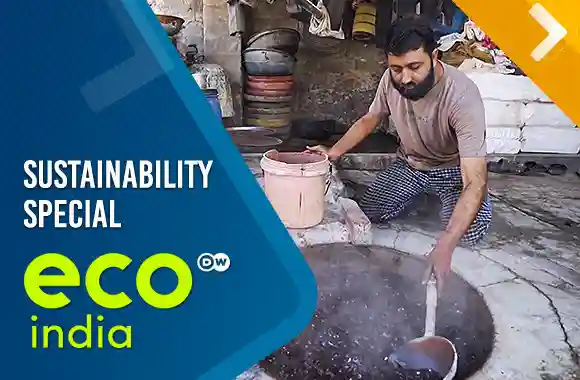
This weeks show is a sustainability special, featuring the environmentally-friendly tradition of dyeing fabric, smartphones made from ethical and sustainable materials, and the transformation of barren land in Karnataka into lush green forest.

Water, the basis of life: how oyster farming can provide a sustainable livelihood and purify water bodies, how an environmentalist is restoring India’s lakes and how the philosophy of Jugaad is spreading across France.

Training women as solar engineers, why spiders are important for the environment and supporting smallhold farmers in Indonesia.
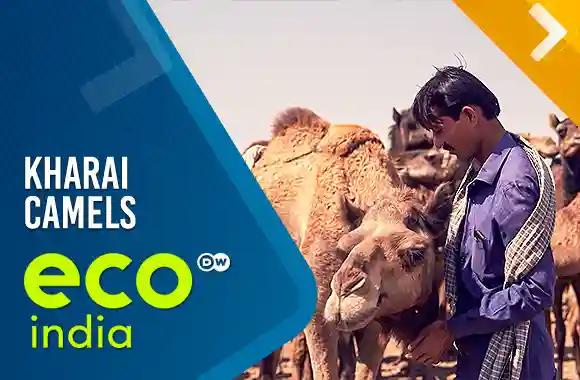
This week we look at protecting the unique Kharai camels of Gujarat, how an Indian man is building hundreds of thousands of public toilets and an app developer who is making cities safer for women.

This week we look at waste and what to do with it. We show inspiring stories from India and Europe about people upcycling, recycling and reusing what others define as trash.
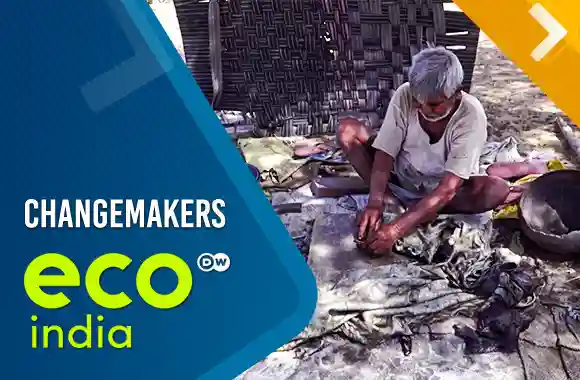
This time, we train the spotlight on changemakers, among them a marine conservationist saving Goas dolphins, a founder cleaning up the tanning industry and city planners who are turning a port into an eco-district.
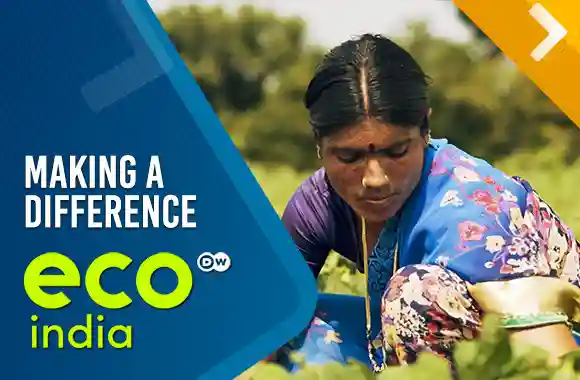
Eco India meets people trying to make a difference: A woman who makes nutritious cookies with help from local farmers and rural women a developer of greenhouses for Indian farmers and Indians studying ecology in Germany.
This week we look at how food is produced sustainably in Berlin, why birds are important for the ecosystems in cities and hear from a pioneering architect in India .

This week with a focus on upcycling. A designer is ensuring that heirloom saris don’t lose their essence, a German company is rescuing worn-out sneakers and a Greek city is pioneering the art of printing public seating.

Green energy - for mobility, heating and electricity. Renting electric scooters in Kolkata, tapping geothermal energy to heat a German town, and championing solar energy in the Philippines.
We visit farmers in India using solar power to water their fields, consider the transition to renewable energy, present an innovative method for cleaning up waste water, and demonstrate how to build your own windmill.
How Delhi’s residents are getting more involved with their environment, how mobile veterinarians are helping remote areas, and what solutions climate change requires in a game - and in reality.
Village in Rajasthan which plants 111 trees every time a girl is born. Also: we see how eco-tourism can protect a forest from mining companies, and take a look at some sculptures made of leaves.
Track the path of a plastic spoon in the world showcase compostable organic film as an alternative to plastic film and we meet the women who hold the reins of power in Sumatra.

The food we grow comes from the 2.5 billion farmers around the world who brave droughts and floods, depleting arable land, and unequal land distribution. Today, lets look at why the practice of farming - today, and of the future - needs a serious rethink.

In Mumbai extremely hot summers, and aggressive monsoons and the floods that accompany it - bring life to a halt on many occasions. But this coastal metropolis now has another massive problem to deal with - Rising Sea Levels. Climate change is making the already vulnerable city, more vulnerable.
We’ve often shown you stories of changemakers inspiring the people around them to be the change they want to see in the world. They’ve made a difference for the better - to the everyday lives of people, and to the environment. Today on Eco India, we’ll dig deeper into how movements come together, and why big change occurs when the power is in the hands of the people
Every minute, we produce and process huge amounts of food - around the planet. And to make sure it reaches you - this produce is transported by ships and trucks from one part of the world to the other. But nearly a billion people go hungry every night. Food waste is one of the most important reasons for the hunger in the world.
The world’s growing population uses more and more resources everyday - and our lifestyles are becoming costly for the environment we live in. What does it mean to live sustainably in such a scenario - does it mean living a life of lack? Well, it’s actually the opposite.

Water is a basic human need - but with potable water depleting every day, it is also becoming a part of big business. Bottled water, chemical filters, water purifiers are a part of every jargon in many parts of the world. How can we take care of water better, and use it sustainably so that generations to come don’t lose access to it?
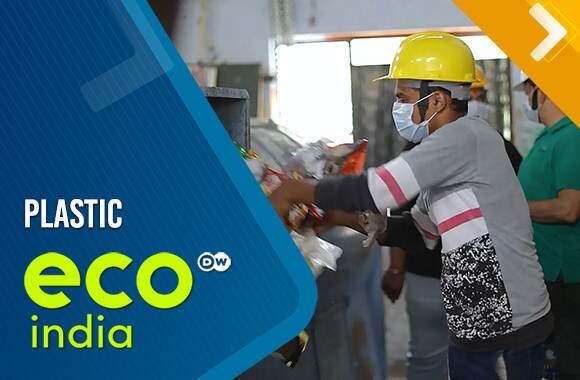
Plastic is everywhere - in our water bottles, lunch boxes, in makeup tubes and our favourite sneakers. And all of it turns to garbage faster than you’d imagine. According to the latest numbers, 360 miliion tonnes of plastic was produced in 2018. That number is growing every year - and most of it is not recycled.

Forests are the lungs of the earth - we can’t really afford to live life without healthy forests. But every year, 8.8 million hectares of forests are being destroyed - making way for every imaginable human activity - from palm oil plantations and soy fields, to roads, to amusement parks, to parking lots.
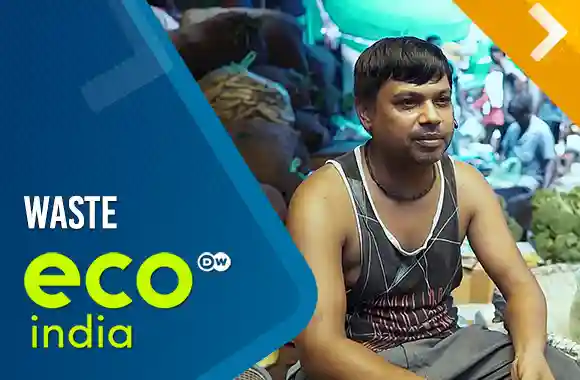
The world generates more than two billion tonnes of garbage annually. According to the World Bank, at least 33 of this is not managed in an environmentally-safe manner. And these growing piles of garbage not only pose a serious threat to the environment, but endanger human health worldwide.
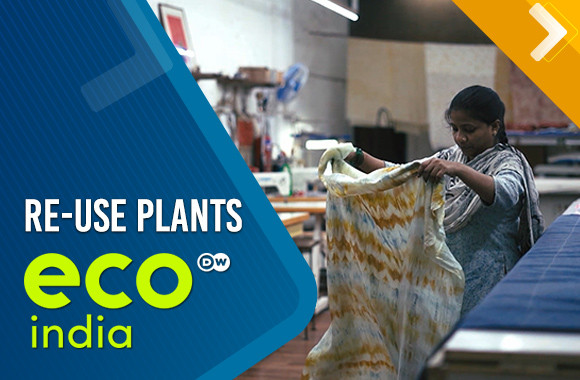
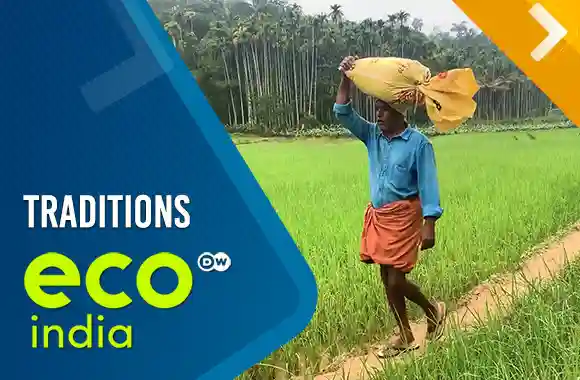
The forgotten power of traditional knowledge. Take traditional farming practices, for example - they promoted biodiversity and defied climate change for hundreds of years.
Some of the most fragile ecosystems around the world are found where the ocean meets the land. And no matter how fast the world manages to curb its carbon emissions, sea-levels are going to rise - and 300 million people will be at risk of flooding by 2050.
Many discussions take place at different levels of the society to address exactly this - high level meetings and international climate conferences are held every year with representatives from most countries.
Waste is everywhere in our world. Plastic bottles end up in landfills or in our oceans and can take hundreds of years to decompose. How can we change this? What are the alternatives and solutions to this huge problem?
The motto of this weeks Eco India is good conscience: how we pursue sustainable living as a conscious decision by using solar energy or celebrating in an eco-friendly manner. Also looking after orangutans in a jungle school.

Swaraj is a traditional Indian philosophy of responsible self-governance and collective decision-making. Eco-Swaraj is a new environmental movement based on these principles. It encourages people to live more socially and sustainably.
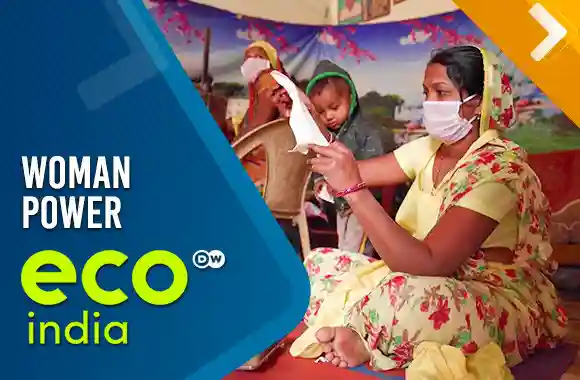
All over the world, women continue to fight for gender equality - and also for climate justice. Women are more impacted by climate change and so there is a greater connection to the environment. We meet the women fighting the good fight.
Burning fossil fuels generates carbon dioxide and the other heat trapping gases causing the climate crisis. So why do we continue to do it? One answer is: energy. But there are innovations that provide an alternative.
There are about 7.8 billion people on Earth, and they all need food. But food production is responsible for many environmental problems. How can we feed the world in a sustainable way?

Human behaviour in our industrialized world often causes a lot of noise, garbage and other kinds of pollution. But what can we do to avoid pollution and its negative effects on environment and on ourselves?

In this edition of Eco India we show some examples of the circular economy concept: producing with recycled resources and reusing products so we can finally reduce waste to a minimum and protect the environment. Sustainable fashion in Delhi Scroll, neu An entrepreneur in Delhi is giving the traditional handloom industry a new lease of life, by upcycling textile fabric waste into yarn for making new garments. A sustainable solution that also provides employment for traditional weavers. Explainer: Circular economy Aditi Rajagopal, neu What does circular economy really mean? Conceptually, it’s about making sure that what we have and create causes the least possible harm to the environment, to our society and our businesses, while wasting as few resources as possible. From fast fashion to a circular model Wiederholung Global 10.05.21 Fast fashion has made buying clothes cheaper and easier. Its terrible for the environment because a lot of garments end up in the trash. But businesses are looking for ways to move towards a circular model in fashion. Making paper out of Rhino dung Wiederholung Scroll 15.01.21 An organization in the Indian state of Assam is implementing the circular economy in a unique way: by making paper from Rhino dung. And this project has also eased the human-wildlife coexistence in that region. Circular economy concept of Amsterdam Wiederholung Global 24.08.20 The city of Amsterdam has ambitious plans to switch to a circular economy by 2050. Waste and was
Climate change is threatening many fragile ecosystems around the world. From international scientists to local NGOs, we meet people working to save precious resources and protect our endangered landscapes.
Food, water, climate regulation and flood management: The ecosystems that span our planet offer a wealth of services that sustain and support us. But human activity is undermining their ability to provide those benefits. On this edition of Eco India, we discover how preserving and restoring our natural lands can help us mitigate the impacts of climate change.
Biodiversity is a key element keeping the Earths entire ecosystem in balance. Its essential to preserve the habitats of rare and threatened species and enable humans and animals to coexist.

For millennia, people preserved the ecosystems that sustained them. Today, ancient practices are key to conserving our natural resources, but science too offers exciting innovations to promote environmental protection.

Cities are home to more than half of the people living on our planet today. These urban centers face a host of pressures: from the demands on infrastructure by growing populations, to the risks of climate change. On this episode of Eco India, we discover solutions to enhance the quality of life in our changing cities.
Everyone should have access to adequate amounts of healthy, affordable food. But more than 800 million people go to bed hungry each night and 2 billion are malnourished worldwide. How can we achieve food security for all?
The Earth’s vital natural ecosystems are under threat. Urbanization and agricultural expansion is largely to blame, as is human-made climate change. But sometimes we’re given a second chance to restore what we’ve destroyed.
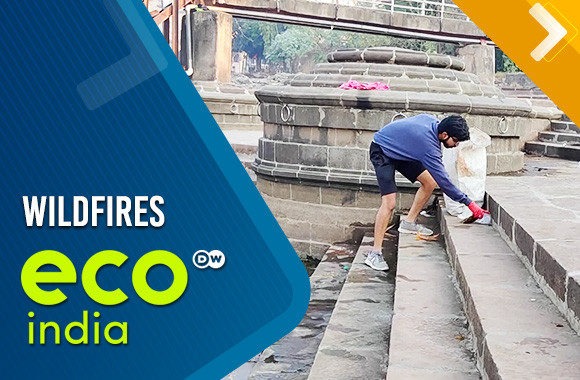
Natural drought cycles and human activity have led to a rise in massive wildfires in recent years. Forest fires in Siberia, the US and Canada, and the Mediterranean are also caused by climate change. We look for solutions.
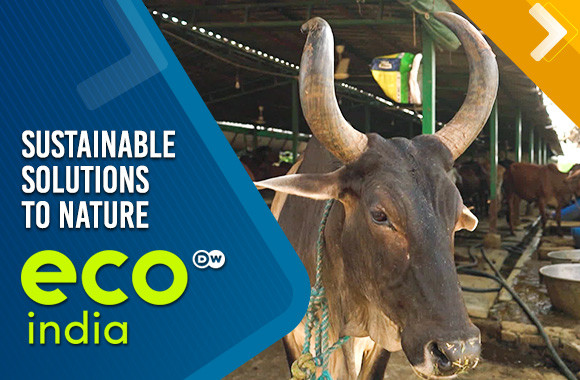
Rediscovering what our ancestors already knew. When looking for sustainable and eco-friendly solutions, we often find that there are perfect solutions in nature. They are part of natures gift.
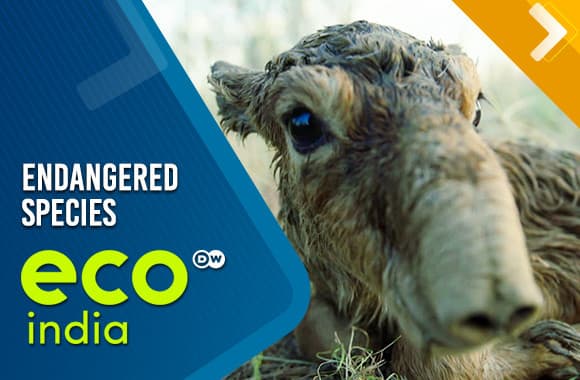
Our planet sustains life thanks to a delicate balance of nature maintained by all living organisms. But human activity is pushing many species to the brink of extinction. Scientists and volunteers are racing to halt the trend.
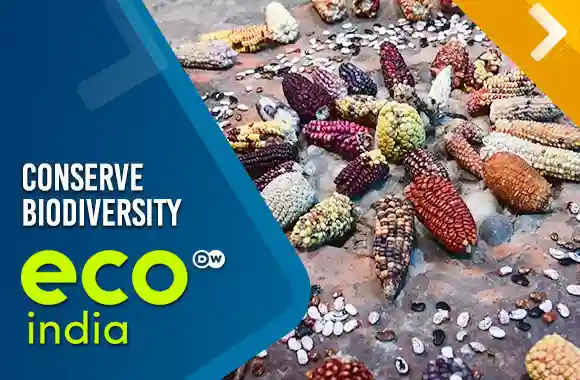
By safeguarding their ancestral lands for centuries, indignous peoples have protected our planets biodiversity. Often marginalized, these communities play a key role in caring for the Earth and its diminishing resources.
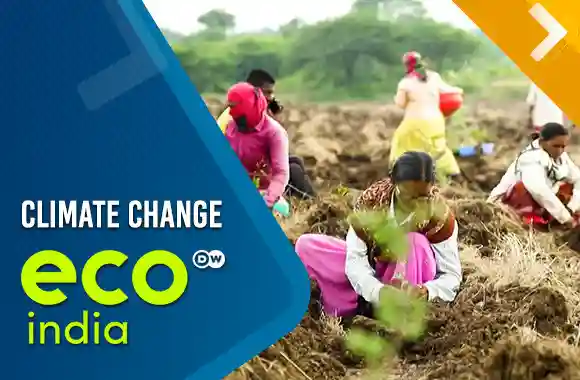
Floods, droughts and extreme weather events are not new to the world – but climate change has increased their frequency and intensity. Scientists warn that the window to avoid a climate catastrophe is closing. There’s a lot at stake for countries around the world – including India
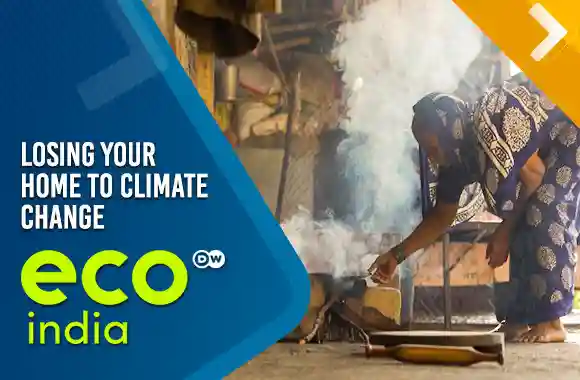
Housing is one of the most basic human needs, and a fundamental human right. But more and more homes are under threat from global warming. How can lives and structures be protected from the impacts of climate change?
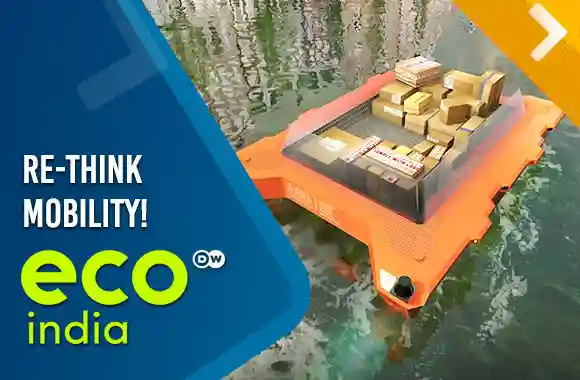
Were always on the move - usually by car. But cars clog public space, emit greenhouse gases and cause noise pollution. On Eco India today, we explore alternative mobility concepts that could steer us toward more sustainable transport.

In the name of convenience and comfort, a lot of what we do in our everyday life harms nature. Be it transport, fashion or food - our choices are leading us to be more and more out of sync with our ecosystem and our planet. How can we course correct? On this Eco India show we look at a few ideas to do just that.
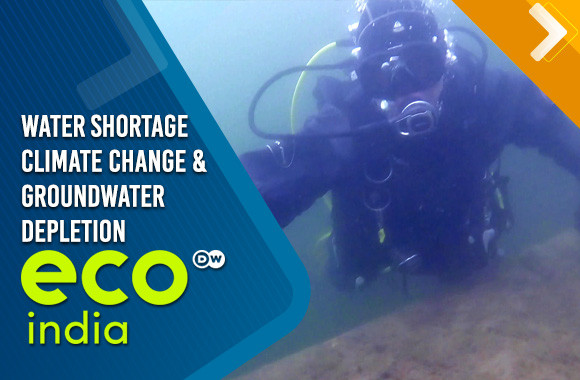
Water, it would appear, is nature’s most renewable resource – raining down on us from the sky to replenish reservoirs above and below ground. But more and more places on our planet face serious shortages. On Eco India, we look at efforts to secure supplies that sustain life on Earth.

In the drive for development, humans have asserted their authority over nature, encroaching on wild animals’ habitats, or settling in areas prone to geological hazards. Eco India explores how we can live in greater harmony with the natural world.
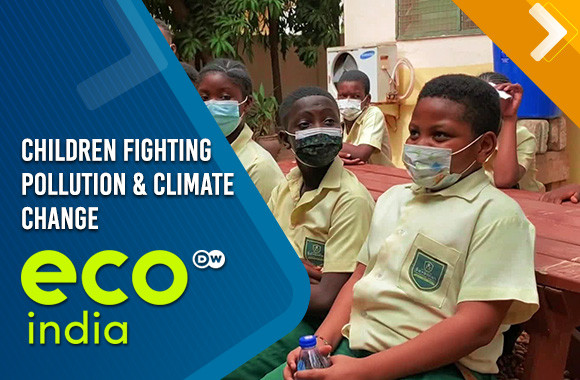
A child’s surroundings should be clean and safe. But both inside and outside their homes, childrens exposure to plastic poses a clear danger to their health and environment. On this episode, we meet youngsters taking action to protect their peers - and the future of the planet.
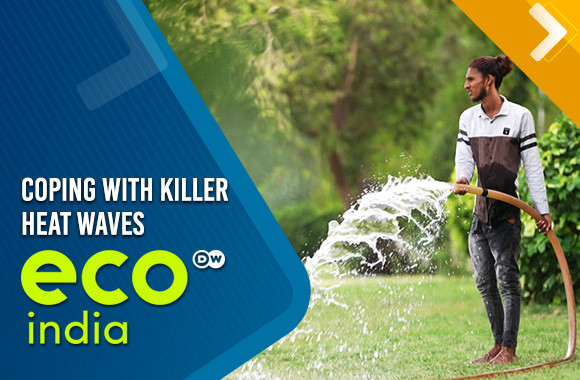
Scientists say this spring’s scorching heat wave in South Asia was made more likely by climate change – and offered the region a taste of whats to come. How can the world prepare for a future of intense heat?

It’s easy to feel powerless against the human-induced threats to our air, water and earth. But Everyday objects can be reimagined to serve the environment that we live in. Every small action takes us towards a planet where we can continue to thrive for generations.
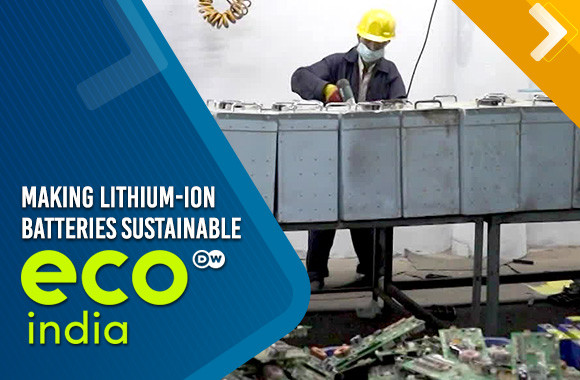
Lithium-ion batteries are central to the green energy revolution and will help wean the world off fossil fuels. But there are still drawbacks. Eco India explores ways to make the most of their shelf life.

About a third of greenhouse gas emissions worldwide are linked to the global food system -- which involves livestock farming, food transport and refrigeration, or deforestation. Can we find alternatives?
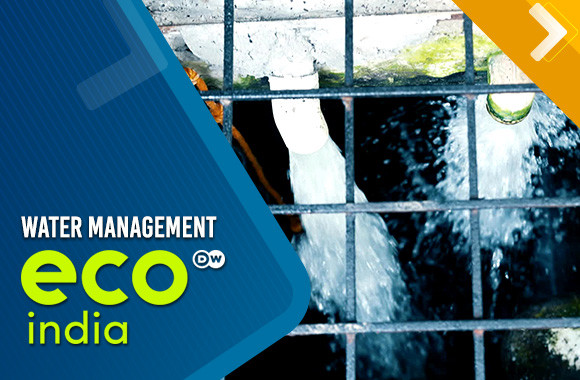
Water scarcity is a problem in many regions of the world. To curb it, we need to curb climate change and be more careful with water. On this episode of Eco India we look at sewage water plants, water-saving rice cultivation and rainwater-management.
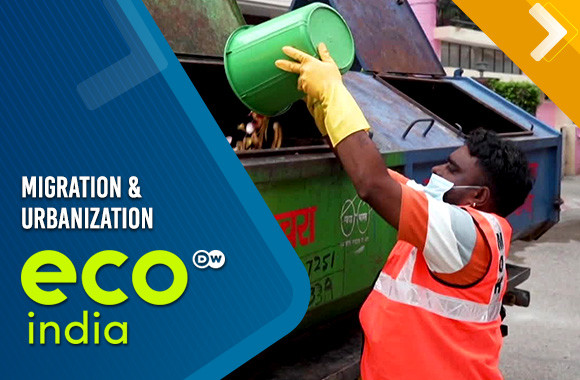
The choice to abandon one’s home is painfully difficult – but it’s one that growing numbers face as extreme weather renders entire regions unlivable. Most migrants head to cities already buckling under the strain of exponential growth. On Eco India today, we look at ways to ease the pressure.
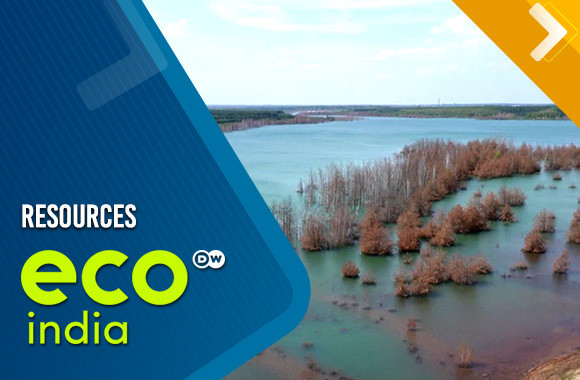
We live in a world with finite resources – and yet we’re still pillaging the planet like there’s no tomorrow. Coming up, Eco India discovers the dangers of stealing capital from nature, as well as alternatives to manage the assets on which all our lives depend.
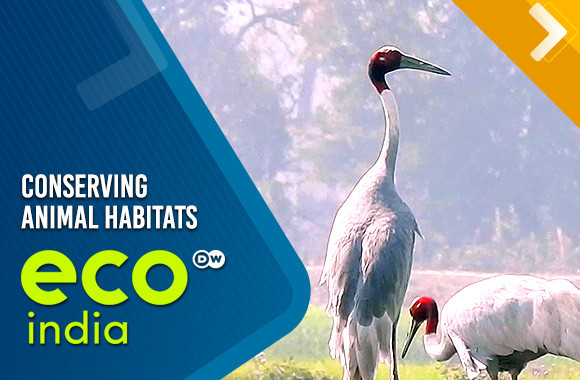
Humanity marked a milestone recently – when the global population hit 8 billion. But the presence of ever-more people on earth is a strain on nature, as communities compete with WILDLIFE for food, water and space. Today, we consider the advantages of conserving animal habitats, and the dangers we face if we don’t.
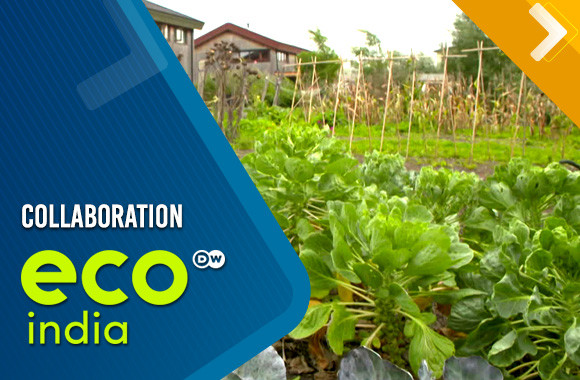
The scale of change needed to tackle global environmental issues can feel overwhelming. But by coming together, local communities are finding effective ways to deal with the threats on their doorstep. On Eco India, we explore collaborative projects that prove: sharing – is caring
Plants are essential to life on earth, in rain forests, in arid regions, in the underwater world, also in cities. How can we give them more space on this planet, even in places where they’re difficult to grow?
Oceans are one of the most important and an elementary part of life on Earth. They stabilize our climate system and store 50 times more greenhouse gases than the atmosphere. They are also home to hundreds of thousands of marine species - whose survival is crucial to our life on earth. This week on eco India, we look at what’s being done to take care of our oceans.
Shop till you drop…While retailers feed the world’s fashion addiction – the garment industry is under pressure to curb its environmental and social impact. On Eco India, we uncover ways to move forward, from fast – to forever fashion

The cosmetics industry is worth hundreds of billions of dollars. But the production process places a heavy burden on the environment. The demand for sustainable cosmetics is growing. We explore how this can be achieved.
People and products are constantly on the move. To get around town or ship goods across the globe, we rely on transportation modes that may be convenient but damage the environment. Eco India looks at ways to make mobility more sustainable.
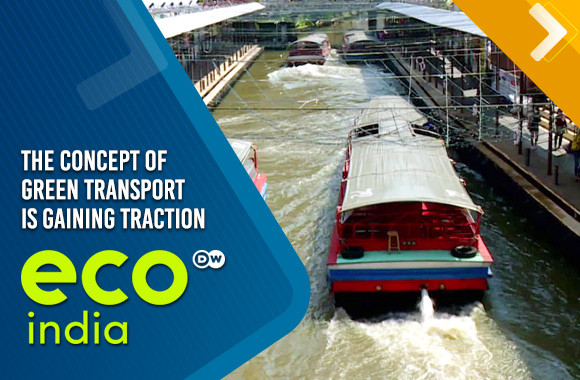
A daily commute which involves being stuck in bumper-to-bumper traffic is a way of life for many urban Indians. Traffic is not only a cause of frustration, but is also responsible for more than a quarter of all carbon dioxide emissions worldwide. What alternatives could mitigate the impact of traffic, and what obstacles must we cross to get there?
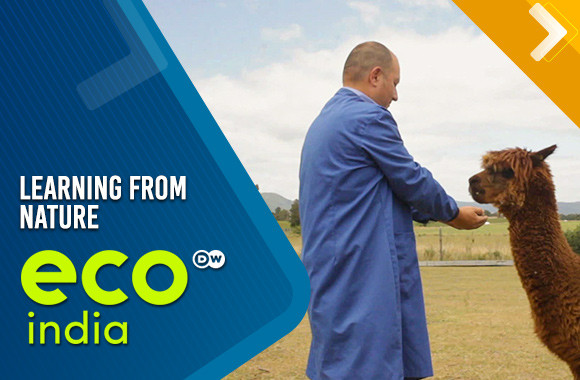
We need nature for our nutrition, health and business. Nature often also offers solutions to environmental and other problems caused by humans. We only have to understand them and to learn. That’s the topic of this episode of Eco India.
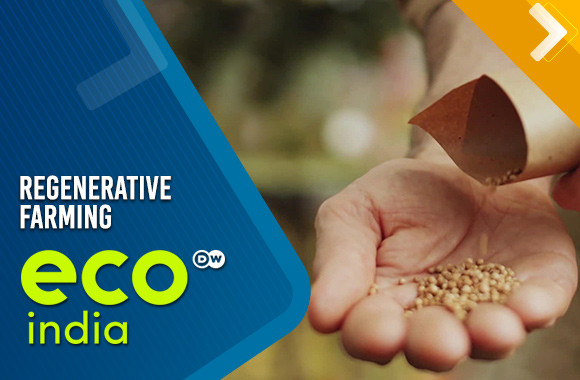
For thousands of years, we humans have made a living from what we cultivate on our fields, and what we harvest on our fruit and vegetable plantations. However, intensive agricultural use has negative consequences for the climate: overfertilization of the soil, greenhouse emissions, reduced biodiversity. How can we advance regenerative farming?
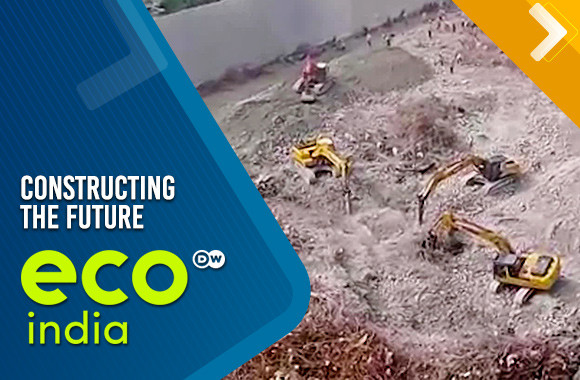
New buildings have long been a symbol of progress and economic prosperity. But construction is a key source of waste and pollution. In a resource-strapped world, should we really start every new project from scratch?
The planet is not just for humans - animals, birds and plants share the Earth. But many species are now on the brink of extinction, much of it driven by people. What can we do to save the planets rich diversity?
Can you picture a waste-free world? A world that uses its resources efficiently, and recycles materials indefinitely? On Eco India, we look at how that vision is inspiring entrepreneurs to explore new, sustainable avenues.
Toxic chemicals, hazardous substances, poisons: harmful pollutants are everywhere, and can cause problems for the health of people and the planet. Luckily, there are actions we can take to reduce this pollution.
Around the world, the race is on to transition from fossil fuels to clean energy. Even small steps can help us reach the finish line.

Bharat Ratna The Jewels of India is a show that celebrates the recipients of India’s highest civilian honour. Through the medium of graphics and information, the show, intends to exhibit hidden unknown and loved stories from lives of these legendary characters.

Epic Khoj series highlights the origin, History and evolution of different communities in India and their varied cultures, life styles values beliefs and their co existence.

We all read about Climate Change and applaud when environmental activists make speeches. But how is this situation affecting India? Eco India brings the ground reality of Climate Changes impact in our country - from drought-stricken villages in Maharashtras Beed to the pollution of Yamuna. Watch people affected in these regions as well as leading environmental scientists, engineers entrepreneurs who are working towards environment and conservation in this series.

This show explores the evolution of India through the eyes of famous foreign travelers who visited the country.

This show explores the evolution of India through the eyes of famous foreign travelers who visited the country.

Veshbhusha is an infotainment show that delves deep into the topic of Indian clothes, unearthing interesting details, information, and facts that trace the origin and evolution of these apparel. The show will get to the root of Indian garments like Saree, Sherwani, Shawl, Salwar Kameez, Lehenga Choli, headgear and more.
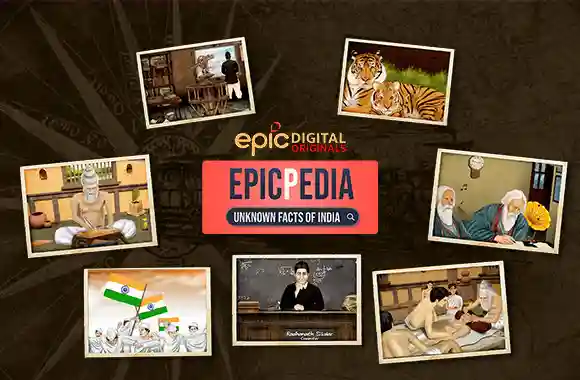
Epicpedia Is a show about knowing the unknown facts, In this show, amazing facts about India will be presented in 12 webisodes of 5 to 7 minutes each. The show will cover various subjects under History, Science Technology, Art Craft, Wildlife, etc. In every episode, you will discover something new, exciting, intriguing, and entertaining about India that you dont know. Like who measured Mount Everest, Did you know Cosmetic Surgery was invented in India thousands of years ago, did you know that the board game Ludo was played in India thousands of Years ago, these and many more facts will be revealed in this show Epicpedia. To sum it up, Epicpedia will present to the audience some hidden jewels of the truth behind India. Facts that are unknown to the best of Indians, they are unique sometimes stranger than fiction. Epicpedia will satiate your thirst for mysteries, knowledge unknown facts

This show explores the evolution of India through the eyes of famous foreign travelers who visited the country.

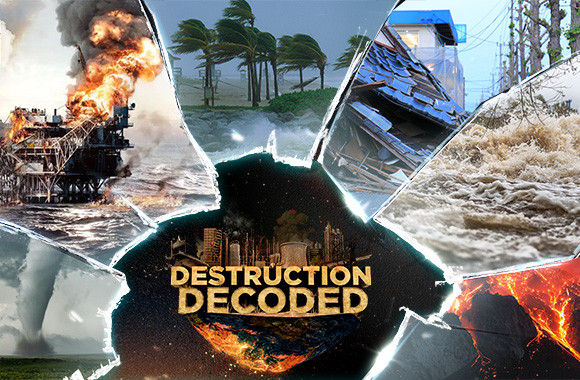
This series will go back through the record to explore life-altering, earth-shattering, unforgettable events using a combination of carefully selected archive, cutting edge CGI and informative scripting in this popular science format. As well as exploring spectacular archive, illustrating the full toll these disasters can take, we’ll dig into the science behind each event, shining a light on the most fascinating elements and giving an understand.
action item
coins earnedEngage & Earn
10New Registration
1text.coins-condition3
201 Month Subscription Plan
1503 Months Subscription Plan
3506 Months Subscription Plan
7501 Year Subscription Plan
1000The EPIC ON Users can exchange/redeem their earned EPICoins to buy some deals. Users can claim offers with their earned EPICoins . EPICoins is a digital currency that users accumulate while engaging on EPIC ON platforms web/ apps on activities like video watch , podcast listening , playing games , upon registering and subscribing.
E-books will not be available from 31st May 2022 onwards on Epic On apps and web , users can continue to enjoy other services.



 Tell friends about EPIC ON


 Clean Energy